
Exploring the ins and outs of preparing your home for air conditioner installation, this introduction sets the stage for a detailed and informative discussion. From clearing space to checking electrical requirements, each step is crucial in ensuring a smooth installation process.
As we delve deeper into the specifics of each preparation aspect, you'll gain valuable insights into creating the perfect environment for your new AC unit. Let's get started!
Preparing the Space
When getting ready for air conditioner installation, it is crucial to prepare the space properly to ensure a smooth and successful setup.
Clearing the Area
To begin, clear the area around the installation site of any obstacles or clutter. This includes removing furniture, decorations, and any other items that may impede the installation process. Clearing the space allows the technicians to work efficiently and ensures that the new unit can be installed properly.
Ensuring Proper Ventilation
Proper ventilation is essential for the installation of an air conditioner. Make sure that the area where the unit will be installed has adequate airflow to allow for proper operation. This may involve clearing out any blocked vents or ensuring that windows can be opened easily for ventilation during the installation process.
Decluttering for the New Unit
In addition to clearing the space, consider decluttering to make room for the new air conditioner. This may involve reorganizing items in the room to create a clear pathway for the installation and ensuring that there is enough space around the unit for proper airflow.
Removing unnecessary items can also make maintenance and servicing easier in the future.
Checking Electrical Requirements
When preparing your home for air conditioner installation, it is crucial to assess the electrical capacity of your home to ensure it can support the new AC unit. Here are the steps to follow and guidelines to consider:
Assessing Electrical Capacity
- Check the electrical specifications of the new AC unit to determine its power requirements.
- Review your home's electrical system to see if it can handle the additional load of the AC unit.
- Consider factors such as the size of the unit, voltage requirements, and any other appliances running on the same circuit.
Ensuring Electrical Panel Support
- Inspect your electrical panel to see if it has the capacity to support the new AC unit.
- Check for available space, proper wiring, and the compatibility of the panel with the AC unit.
- Consult the manufacturer's guidelines to determine the specific electrical requirements for installation.
Hiring a Professional Electrician
- If upgrades or modifications are needed to the electrical system, consider hiring a professional electrician.
- An electrician can assess the current setup, make necessary adjustments, and ensure safety compliance.
- Professional installation can prevent electrical issues, ensure proper functioning of the AC unit, and provide peace of mind.
Installing Necessary Equipment
To successfully prepare your home for air conditioner installation, it is essential to have the right tools and equipment on hand. These tools play a crucial role in ensuring a smooth and efficient installation process while maintaining safety standards. Here are the tools you will need and their respective roles:
Tools and Equipment Required
- Measuring tape: Used to measure the dimensions of the space where the air conditioner will be installed, ensuring a proper fit.
- Screwdriver set: Necessary for removing any existing fixtures or components that may obstruct the installation process.
- Drill: Needed for creating holes in the walls for mounting brackets and running electrical wiring.
- Level: Ensures that the air conditioner unit is installed straight and level to prevent any issues with its operation.
- Adjustable wrench: Used for tightening nuts, bolts, and other fasteners during the installation process.
- Hacksaw: Required for cutting through any pipes or materials that need to be modified to accommodate the air conditioner unit.
- Wire strippers: Necessary for stripping the insulation from electrical wires to make proper connections.
- Ladder: Provides access to high areas where the air conditioner may be installed, ensuring safety during the process.
Safety Precautions
- Always wear appropriate safety gear, such as gloves and goggles, to protect yourself from potential hazards.
- Ensure all tools are in good condition and properly maintained to prevent accidents during use.
- Turn off the power supply to the area where the installation will take place to avoid electrical shocks.
- Follow the manufacturer's instructions for each tool to prevent misuse and ensure safe handling.
- If you are unsure about how to use a particular tool, seek guidance from a professional to avoid injuries or damage.
Sealing and Insulation
Proper sealing and insulation are crucial aspects of preparing your home for air conditioner installation as they play a significant role in energy efficiency and maintaining a consistent indoor temperature.
Sealing Gaps and Leaks
- Check for any gaps or leaks around windows, doors, and ductwork that could allow cool air to escape or warm air to enter your home.
- Use weatherstripping or caulking to seal these gaps and prevent air leaks, ensuring that your air conditioner operates efficiently.
- Consider installing door sweeps to seal the gap between the bottom of exterior doors and the threshold.
Importance of Insulation
Insulation is essential for maintaining a consistent indoor temperature by reducing heat transfer through walls, ceilings, and floors. It helps keep the cool air inside during hot weather and prevents heat from entering during colder months.
- Ensure that your home is adequately insulated, especially in areas such as the attic, walls, and floors.
- Consider upgrading or adding insulation to improve energy efficiency and reduce the workload on your air conditioner.
- Proper insulation can help lower your energy bills and create a more comfortable living environment year-round.
Clearing Pathways
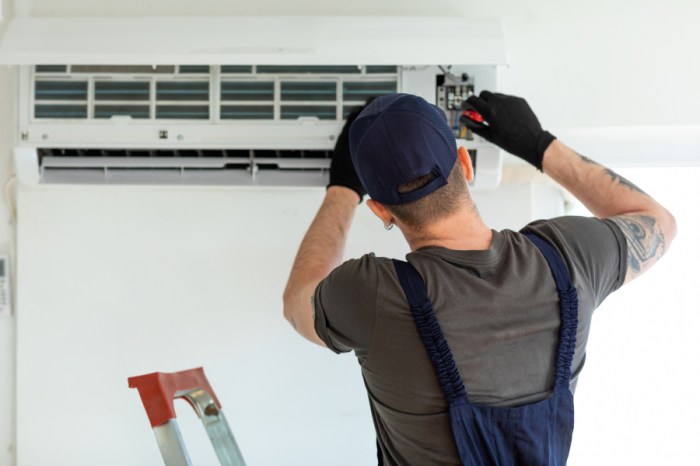
When preparing your home for air conditioner installation, it is crucial to ensure that the pathways leading to the installation site are clear and unobstructed. This not only facilitates the work of the professional installers but also ensures a smooth and efficient installation process.
Moving Furniture and Obstacles
To clear pathways effectively, start by moving any furniture or obstacles that may hinder the installers' access to the designated installation site. Large pieces of furniture, rugs, and other items should be relocated to allow for easy movement and installation of the air conditioning unit.
- Remove any rugs or carpets along the pathway to prevent tripping hazards and to provide a clear path for the installers.
- Clear away any clutter or debris that may impede the installers' movement, such as toys, boxes, or other miscellaneous items.
- If there are any plants or outdoor decorations blocking the way to the installation site, consider temporarily relocating them to ensure unobstructed access.
- Ensure that doors leading to the installation site are easily accessible and can be opened fully to accommodate the installers and their equipment.
Final Review
In conclusion, proper preparation is key to a successful air conditioner installation. By following the guidelines Artikeld in this guide, you can ensure that your home is ready to welcome your new cooling companion. Stay cool and comfortable all year round!
Query Resolution
How do I clear the area around the installation site?
To clear the space, remove any obstacles or furniture that may obstruct the installation process. Ensure a clear path for the installers to work efficiently.
What tools and equipment are needed for the installation process?
Some essential tools include a screwdriver, pliers, a level, and a drill. Additionally, you may need insulation materials and sealants for proper installation.
Why is proper sealing and insulation important for energy efficiency?
Sealing gaps and insulating your home helps in maintaining a consistent indoor temperature, reducing energy waste, and lowering utility bills.