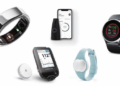

Exploring the world of wearable devices designed to track health metrics opens up a realm of possibilities for individuals seeking to improve their overall well-being. From monitoring heart rate to analyzing sleep patterns, these devices offer insights that can revolutionize personal health management.
Dive into this informative guide to discover the best wearable devices and how they can positively impact your health journey.
Benefits of Wearable Devices
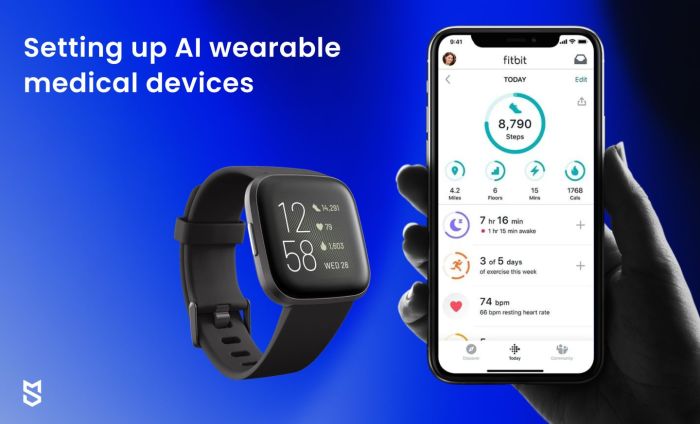
Wearable devices offer numerous benefits when it comes to tracking health metrics and improving overall well-being. These devices provide valuable insights into various aspects of our health, enabling us to make informed decisions and take proactive steps towards a healthier lifestyle.
Various Health Metrics Tracked by Wearable Devices
Wearable devices can track a wide range of health metrics, including but not limited to:
- Heart rate
- Physical activity levels
- Sleep patterns
- Calories burned
- Blood pressure
- Oxygen saturation levels
- Stress levels
These metrics give us a comprehensive picture of our health status and allow us to identify areas that may need improvement.
Improving Overall Well-being through Health Metric Tracking
By monitoring these health metrics regularly, individuals can:
- Identify patterns and trends in their health data
- Set realistic health goals and track progress over time
- Stay motivated and accountable for their health behaviors
- Detect early warning signs of potential health issues
Tracking health metrics can empower individuals to make positive changes in their lifestyle, leading to improved overall well-being and quality of life.
Importance of Regular Monitoring for Health Maintenance
Regular monitoring of health metrics is crucial for:
- Early detection of health problems
- Preventive care and disease management
- Optimizing fitness and performance goals
- Improving sleep quality and stress management
By staying on top of these metrics, individuals can take proactive steps to maintain their health and well-being in the long run.
Popular Wearable Devices on the Market
Wearable devices for tracking health metrics have gained popularity due to their convenience and efficiency in providing real-time data to users. Let's explore some of the top wearable devices available on the market, comparing their features, prices, accuracy, and user-friendliness.
Fitbit Charge 4
The Fitbit Charge 4 is a popular choice for fitness enthusiasts, offering features like heart rate monitoring, sleep tracking, GPS, and activity tracking. Priced around $149.95, it provides accurate data and has a user-friendly interface for easy navigation and analysis of health metrics.
Apple Watch Series 6
The Apple Watch Series 6 is known for its advanced health tracking capabilities, including ECG monitoring, blood oxygen level measurement, and activity tracking. With a starting price of $399, it offers accurate and detailed health data presentation through its intuitive interface and Apple Health app integration.
Garmin Vivosmart 4
The Garmin Vivosmart 4 is another popular wearable device that tracks health metrics such as heart rate, stress levels, sleep quality, and body energy monitoring. Priced at around $129.99, it provides accurate data and a user-friendly experience for users looking to monitor their overall health and well-being.
Samsung Galaxy Fit2
The Samsung Galaxy Fit2 is a budget-friendly option for tracking health metrics, offering features like heart rate monitoring, sleep tracking, and stress management. With a price tag of $59.99, it provides accurate data tracking and a simple interface for users to easily access and understand their health information.
Comparison of Features
- Fitbit Charge 4: Offers GPS tracking, sleep tracking, and heart rate monitoring.
- Apple Watch Series 6: Provides ECG monitoring, blood oxygen level measurement, and advanced activity tracking.
- Garmin Vivosmart 4: Tracks stress levels, body energy, heart rate, and sleep quality.
- Samsung Galaxy Fit2: Includes heart rate monitoring, sleep tracking, and stress management features.
Advanced Features and Technologies
Wearable devices have evolved to offer advanced features and utilize cutting-edge technologies to provide users with a comprehensive view of their health and wellness. These devices go beyond basic tracking capabilities to monitor vital health metrics and offer insights that can help individuals make informed decisions about their lifestyle.
Heart Rate Monitoring
One of the key advanced features of wearable devices is heart rate monitoring. Using optical sensors, these devices can continuously track your heart rate throughout the day, providing valuable data on your cardiovascular health. By analyzing changes in your heart rate, these devices can detect abnormalities and help you understand how your heart responds to different activities and stressors.
Sleep Tracking
Many wearable devices now come equipped with sleep tracking functionality, allowing users to monitor their sleep patterns and quality. By tracking your sleep stages, such as deep sleep, REM sleep, and light sleep, these devices can provide insights into your sleep quality and help you identify factors that may be affecting your rest.
This information can be invaluable in improving your overall health and well-being.
Stress Level Detection
Some advanced wearable devices are equipped with sensors that can detect changes in your stress levels by monitoring parameters like heart rate variability and skin conductance. By analyzing these data points, these devices can provide you with insights into your stress levels throughout the day and offer guidance on managing stress through relaxation techniques and mindfulness exercises.
Integration with Smartphones
Wearable devices are increasingly being integrated with smartphones and other technology platforms to offer a seamless health tracking experience. By syncing data from your wearable device to your smartphone, you can access detailed insights into your health metrics, track your progress over time, and set goals for improvement.
This integration allows for a more holistic approach to health monitoring and empowers users to take control of their well-being.
User Experience and Reviews
When it comes to user experiences with wearable devices for health tracking, many individuals have reported significant benefits from using these devices in their daily lives. Whether it's monitoring their heart rate during workouts, tracking their sleep patterns, or keeping tabs on their daily step count, wearable devices have become essential tools for maintaining a healthy lifestyle.
Real-life Examples of User Benefits
- One user shared how wearing a fitness tracker helped them stay motivated to reach their daily activity goals, leading to weight loss and improved overall fitness.
- Another user mentioned how a smartwatch with sleep tracking capabilities helped them identify patterns in their sleep quality, leading to adjustments in their bedtime routine for better rest.
- A cyclist mentioned how using a wearable device to monitor their heart rate during rides allowed them to optimize their training sessions and improve their endurance over time.
Expert Reviews and Studies
Experts and studies evaluating the effectiveness of wearable devices in tracking health metrics have generally shown positive results. Many studies have demonstrated that individuals who use wearable devices tend to be more active and aware of their health behaviors, leading to improved outcomes in various health parameters.
Final Wrap-Up
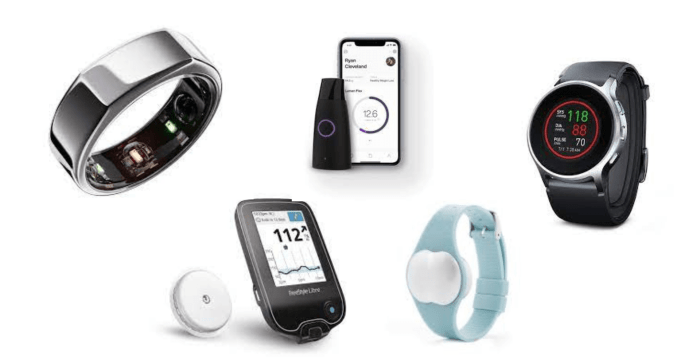
In conclusion, the realm of wearable devices for tracking health metrics provides a gateway to a more informed and proactive approach to personal well-being. By utilizing these advanced technologies, individuals can take charge of their health and make meaningful changes based on real-time data and insights.
Embrace the power of wearable devices and embark on a journey towards a healthier lifestyle today.
Questions Often Asked
How accurate are wearable devices in tracking health metrics?
Wearable devices vary in accuracy depending on the brand and model. It's important to research and read reviews to find one that best suits your needs.
Can wearable devices track stress levels?
Yes, some advanced wearable devices can track stress levels through heart rate variability and other biometric data.
Do wearable devices sync with smartphones for data analysis?
Most wearable devices offer smartphone compatibility for seamless data synchronization and analysis through dedicated apps.