
Exploring the realm of Affordable private health care options in Europe brings to light the importance of accessible and cost-effective healthcare solutions for individuals. As we delve into the landscape of private healthcare in Europe, we uncover the various factors influencing affordability, popular countries offering such options, innovative approaches driving down costs, and the challenges and future trends shaping the sector.
Join us on this journey to discover how individuals can navigate the realm of private healthcare in Europe with ease and efficiency.
Overview of Affordable Private Health Care Options in Europe
Private health care in Europe offers individuals the opportunity to access medical services outside of the public healthcare system. This often includes faster appointments, a wider range of treatments, and more personalized care.Affordable private health care options are essential for individuals in Europe as they provide an alternative to sometimes overburdened public healthcare systems.
By offering timely access to medical services, private healthcare can help individuals receive treatment faster and potentially improve health outcomes.When comparing private health care options with public healthcare in Europe, there is often a notable difference in accessibility and quality.
Private healthcare can offer shorter waiting times for appointments and procedures, as well as access to specialist services that may not be as readily available in the public sector. However, it is important to consider the cost implications of private healthcare and ensure that it remains affordable for individuals seeking these services.
Key Factors Influencing Affordability of Private Health Care in Europe
The affordability of private health care in Europe is influenced by several key factors that play a significant role in determining the cost of services and access to care.Government Regulations:Government regulations have a direct impact on the cost of private health care services in Europe.
Regulations regarding licensing, accreditation, and quality standards can affect the overall expenses incurred by private health care providers. Additionally, policies related to pricing transparency, reimbursement rates, and subsidies can impact the affordability of private health care for individuals.Insurance Coverage:Insurance coverage plays a crucial role in making private health care more affordable for individuals in Europe.
Health insurance plans can help cover a significant portion of the costs associated with private health care services, including consultations, treatments, and medications. By spreading the financial burden across a larger pool of insured individuals, insurance coverage helps reduce out-of-pocket expenses and make private health care more accessible to a broader population.
Impact of Technology and Innovation
Technological advancements and innovations in the field of healthcare can also influence the affordability of private health care in Europe. For example, the integration of telemedicine services can reduce the need for in-person consultations, lowering overall costs for patients. Similarly, the use of electronic health records and data analytics can streamline administrative processes and improve efficiency, ultimately leading to cost savings that can be passed on to consumers.
Healthcare Infrastructure and Competition
The availability of healthcare infrastructure and the level of competition among private health care providers can impact affordability. Regions with a higher concentration of healthcare facilities and providers may experience lower prices due to increased competition. Conversely, areas with limited access to private health care options may face higher costs as a result of reduced competition.
Additionally, investments in healthcare infrastructure, such as state-of-the-art facilities and equipment, can drive up costs but also improve the quality of care provided.
Popular European Countries Offering Affordable Private Health Care
When it comes to affordable private health care options in Europe, several countries stand out for their accessible and cost-effective services. Let's take a closer look at some of these countries and the specific policies or programs that contribute to the affordability of private health care.
Germany
Germany is known for its high-quality private health care system, which is made more affordable through a combination of public and private insurance options. The country's universal health care system ensures that all residents have access to essential medical services, while private health insurance offers additional benefits and faster access to specialized care.
France
In France, private health care is accessible to residents through a mix of public and private providers. The country's social health insurance system covers a significant portion of medical expenses, making private care more affordable for those seeking additional services or faster treatment.
Additionally, France has a strong network of private hospitals and clinics that cater to both local and international patients.
Spain
Spain is another European country that offers affordable private health care options. The country's universal health care system provides basic medical services to all residents, while private insurance allows individuals to access a wider range of treatments and specialists. Spain's private hospitals are known for their high standards of care and modern facilities, making private health care a popular choice for many residents.
United Kingdom
In the United Kingdom, private health care is available alongside the country's public National Health Service (NHS). Private insurance allows individuals to skip long waiting times for certain procedures and access specialist care not covered by the NHS. While private health care in the UK can be more expensive than in some other European countries, there are still affordable options available for those looking for additional services or faster treatment.
Innovative Approaches to Affordable Private Health Care in Europe

In Europe, several innovative approaches have been implemented to make private health care more affordable and accessible to a larger population
Telemedicine and Remote Monitoring
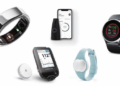
Telemedicine and remote monitoring have emerged as game-changers in the healthcare industry, allowing patients to consult with healthcare professionals virtually and monitor their health conditions remotely. This not only reduces the need for in-person visits but also cuts down on travel costs and time for both patients and healthcare providers.
By leveraging digital platforms and wearable devices, healthcare providers can offer timely interventions, preventive care, and continuous monitoring, leading to better health outcomes at a lower cost.
Healthcare Apps and Online Platforms
The rise of healthcare apps and online platforms has revolutionized the way patients access healthcare services. These platforms offer a wide range of services, from booking appointments and accessing medical records to receiving medical advice and prescriptions online. By streamlining processes and reducing administrative overhead, these digital solutions help lower operational costs for healthcare providers, translating into more affordable services for patients.
Data Analytics and Predictive Modeling
Data analytics and predictive modeling play a crucial role in optimizing healthcare delivery and resource allocation. By analyzing large sets of healthcare data, providers can identify trends, predict disease outbreaks, and personalize treatment plans, leading to more efficient and cost-effective care.
These insights enable healthcare providers to allocate resources effectively, reduce unnecessary procedures, and improve overall healthcare outcomes while keeping costs in check.
Challenges and Future Trends in Affordable Private Health Care
The pursuit of affordable private health care in Europe comes with its own set of challenges, ranging from cost barriers to limited accessibility. However, there are potential future trends that could revolutionize the private health care sector, making it more affordable and accessible for individuals.
Let's delve into the major challenges faced and explore the possible future trends in affordable private health care.
Major Challenges in Affordable Private Health Care
- High Costs: Private health care services can be expensive, making it unaffordable for many individuals.
- Lack of Transparency: The lack of transparency in pricing and procedures can lead to unexpected costs for patients.
- Health Inequality: Disparities in access to private health care services can widen the gap in health outcomes among different socio-economic groups.
- Regulatory Hurdles: Stringent regulations and bureaucratic processes can hinder the affordability of private health care.
Future Trends in Affordable Private Health Care
- Telemedicine and Digital Health: The integration of telemedicine and digital health technologies can increase accessibility and reduce costs for patients.
- Personalized Medicine: Advancements in personalized medicine can lead to more targeted treatments, optimizing health outcomes and reducing overall costs.
- Collaborative Care Models: Collaborative care models involving multidisciplinary teams can improve efficiency and reduce expenses in private health care settings.
Collaborative Efforts to Address Affordability
- Policymakers: Policymakers can implement regulations to promote price transparency and enhance affordability in private health care.
- Healthcare Providers: Healthcare providers can adopt value-based care models to ensure cost-effective and high-quality services for patients.
- Insurance Companies: Insurance companies can design innovative insurance products that cater to the diverse needs of individuals seeking private health care.
Final Review
In conclusion, the landscape of Affordable private health care options in Europe presents a blend of opportunities and challenges. By understanding the key factors influencing affordability, exploring innovative approaches, and anticipating future trends, individuals can make informed decisions regarding their healthcare choices.
As policymakers, healthcare providers, and insurance companies collaborate to enhance accessibility and affordability, the future of private healthcare in Europe holds promise for improved healthcare outcomes for all.
Top FAQs
Are private health care options in Europe more affordable than public healthcare?
Private health care options in Europe can vary in cost depending on the country and services offered. Generally, private healthcare might offer faster access to services but at a higher cost compared to public healthcare.
Do government regulations play a significant role in determining the cost of private health care services in Europe?
Yes, government regulations can impact the cost of private health care services by influencing factors such as pricing, licensing requirements, and quality standards.
Which European countries are known for providing affordable private health care options?
Countries like Spain, Portugal, and Poland are known for offering affordable private health care options due to lower overall healthcare costs and favorable regulatory environments.
How can digital health solutions contribute to making private health care more affordable in Europe?
Digital health solutions can streamline processes, reduce administrative costs, and improve efficiency in healthcare delivery, ultimately leading to cost savings that can make private health care more affordable.